Wheel bearings help your wheels spin smoothly. Hub assemblies combine bearings, sensors, and mounting parts into one unit. When they fail, you’ll hear noise or feel vibration. Replace them early to avoid serious damage and safety risks.
1. What Are Wheel Bearings?
Wheel bearings are small but critical parts that let your wheels rotate smoothly with minimal friction.
They sit inside the wheel hub and support the entire weight of your vehicle while allowing the wheel to spin freely.
Think of them as:
Tiny precision components that carry thousands of kilograms while spinning at high speed.
I’ve seen people underestimate them—but when a bearing fails, the entire driving experience changes instantly.
2. What Is a Wheel Hub Assembly?
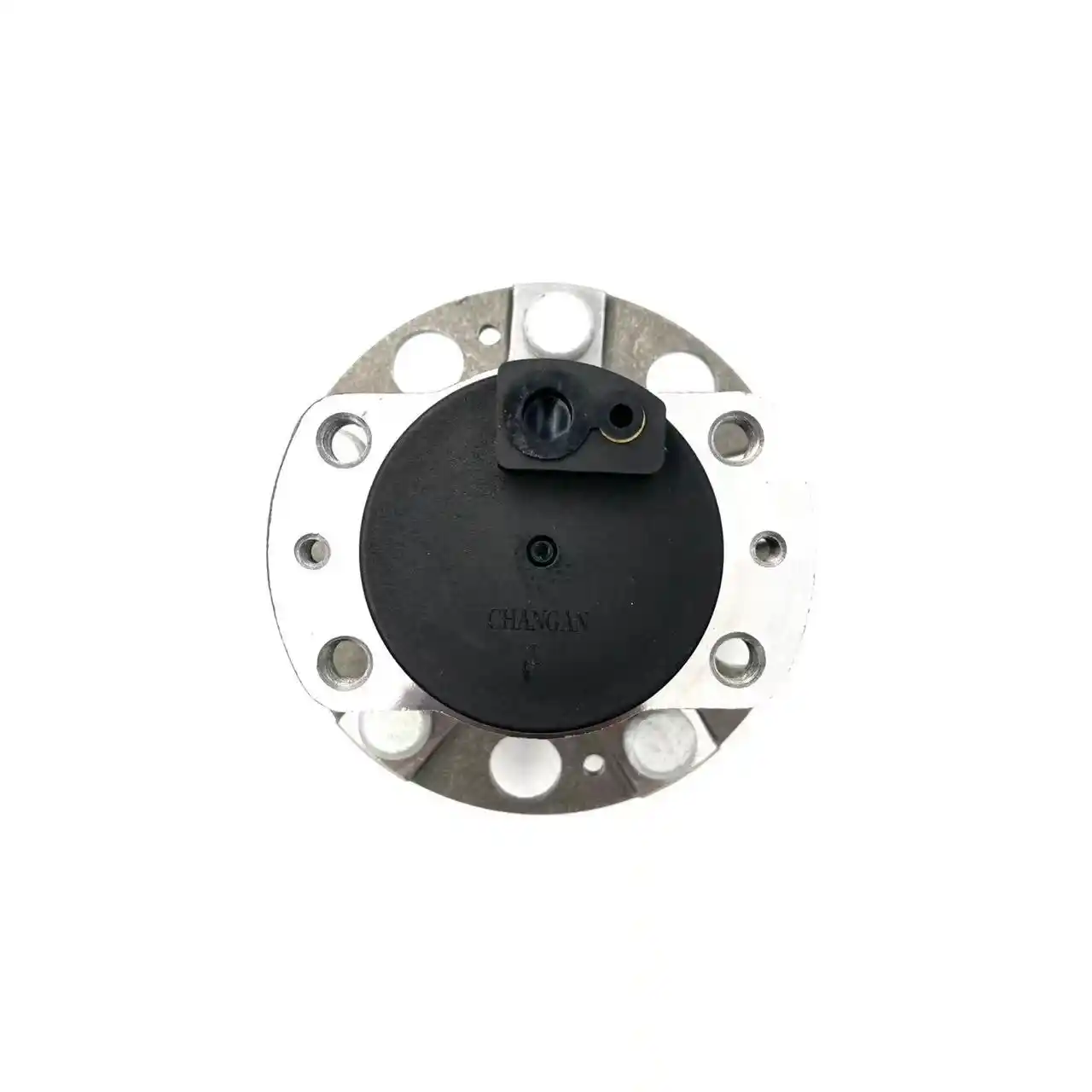
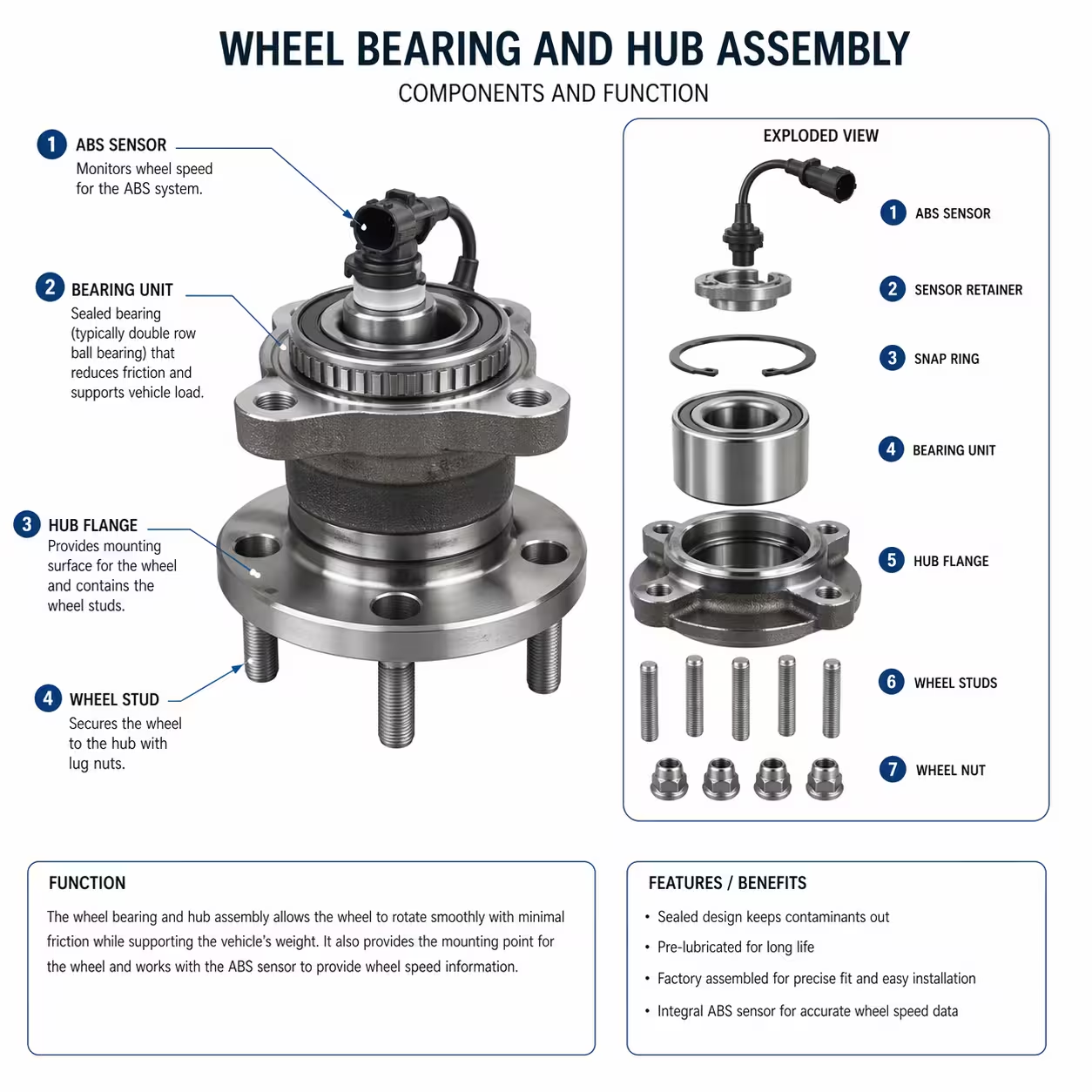
A wheel hub assembly is a complete, pre-assembled unit that includes:
- The bearing
- The hub (where the wheel mounts)
- ABS sensor (in many modern cars)
Most modern vehicles no longer use loose bearings. They use hub assemblies instead.
Why? Because they are:
- Easier to install
- More precise
- Less prone to installation errors
3. Wheel Bearing vs Hub Assembly (Simple Comparison)
| Feature | Wheel Bearing | Hub Assembly |
|---|---|---|
| Structure | Separate component | Integrated unit |
| Installation | Complex | Easier |
| Used in | Older vehicles | Modern vehicles |
| Cost | Lower | Higher |
4. The 3 Main Types of Wheel Bearings (You Must Know)
1. Ball Bearings
- Most common in passenger cars
- Handle both vertical and side loads
2. Tapered Roller Bearings
- Stronger under heavy loads
- Common in trucks and older vehicles
3. Hub Units (Gen 1, Gen 2, Gen 3)
This is where most articles fail—but it matters a lot.
- Gen 1: Basic bearing unit
- Gen 2: Bearing with integrated flange
- Gen 3: Full hub assembly with ABS
I like Gen 3 units because they reduce installation errors. But I’ve also seen cheap ones fail very quickly.
5. How Wheel Bearings Work
Instead of metal sliding against metal, bearings use rolling elements (balls or rollers).
This reduces friction dramatically.
👉 Without bearings:
- Wheels would overheat
- Energy loss would increase
- Parts would wear out fast
6. 7 Common Signs of a Bad Wheel Bearing
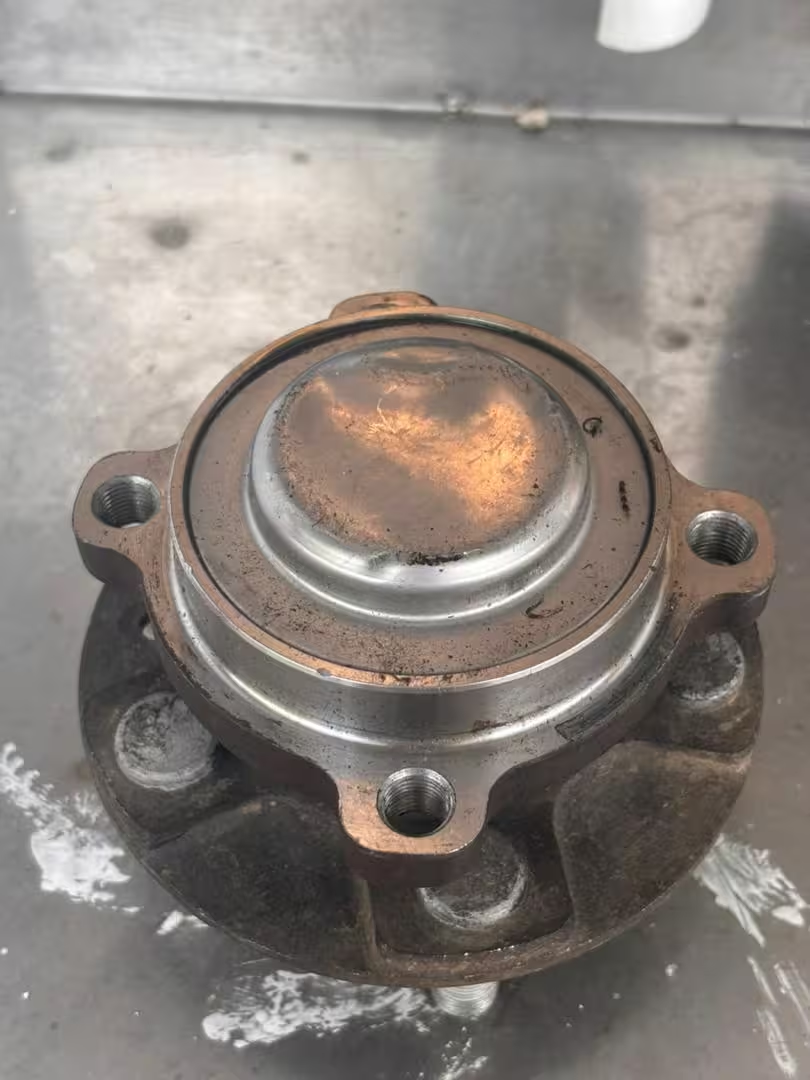
1. Grinding or humming noise
2. Noise increases with speed
3. Vibration in steering wheel
4. Uneven tire wear
5. ABS warning light
6. Loose or wobbly wheel
7. Clicking when turning
7. What Causes Wheel Bearings to Fail?
From my experience, failures usually come from:
- Poor lubrication
- Water or dirt entering the bearing
- Incorrect installation
- Overloading
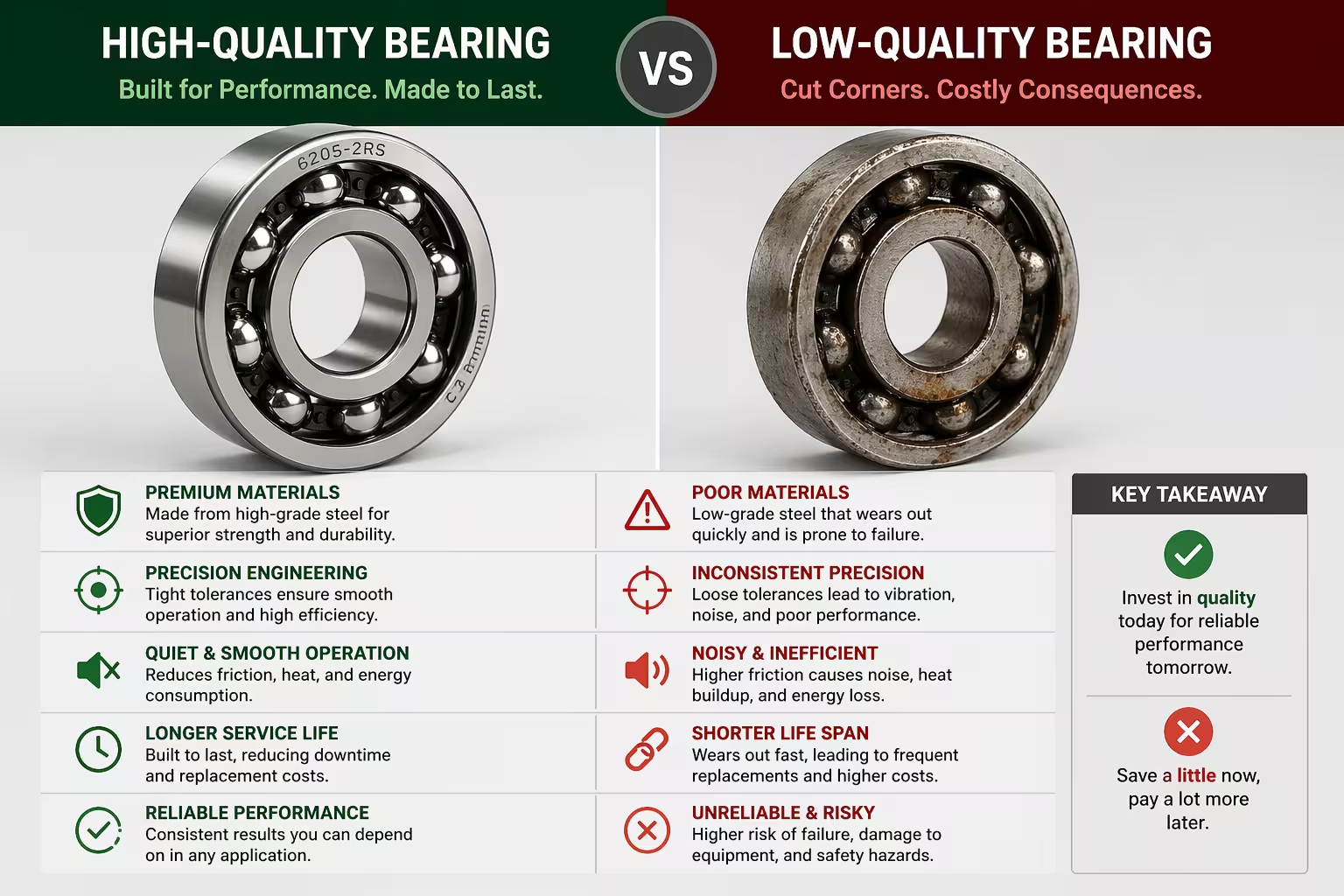
- Low-quality materials
I have seen brand-new bearings fail in under 6 months because of poor sealing.
8. How Long Do Wheel Bearings Last?
Typical lifespan:
- 85,000 – 150,000 km
But real life varies:
- I’ve seen cheap bearings fail under 30,000 km
- High-quality ones can exceed 200,000 km
Quality and installation matter more than mileage.
9. Can You Drive With a Bad Wheel Bearing?
Short answer: Yes—but it’s risky.
Possible consequences:
- Wheel lock-up
- Brake damage
- Hub failure
- Loss of control
10. DIY vs Professional Replacement
DIY (For Experienced Users)
- Possible with hub assemblies
- Requires proper tools
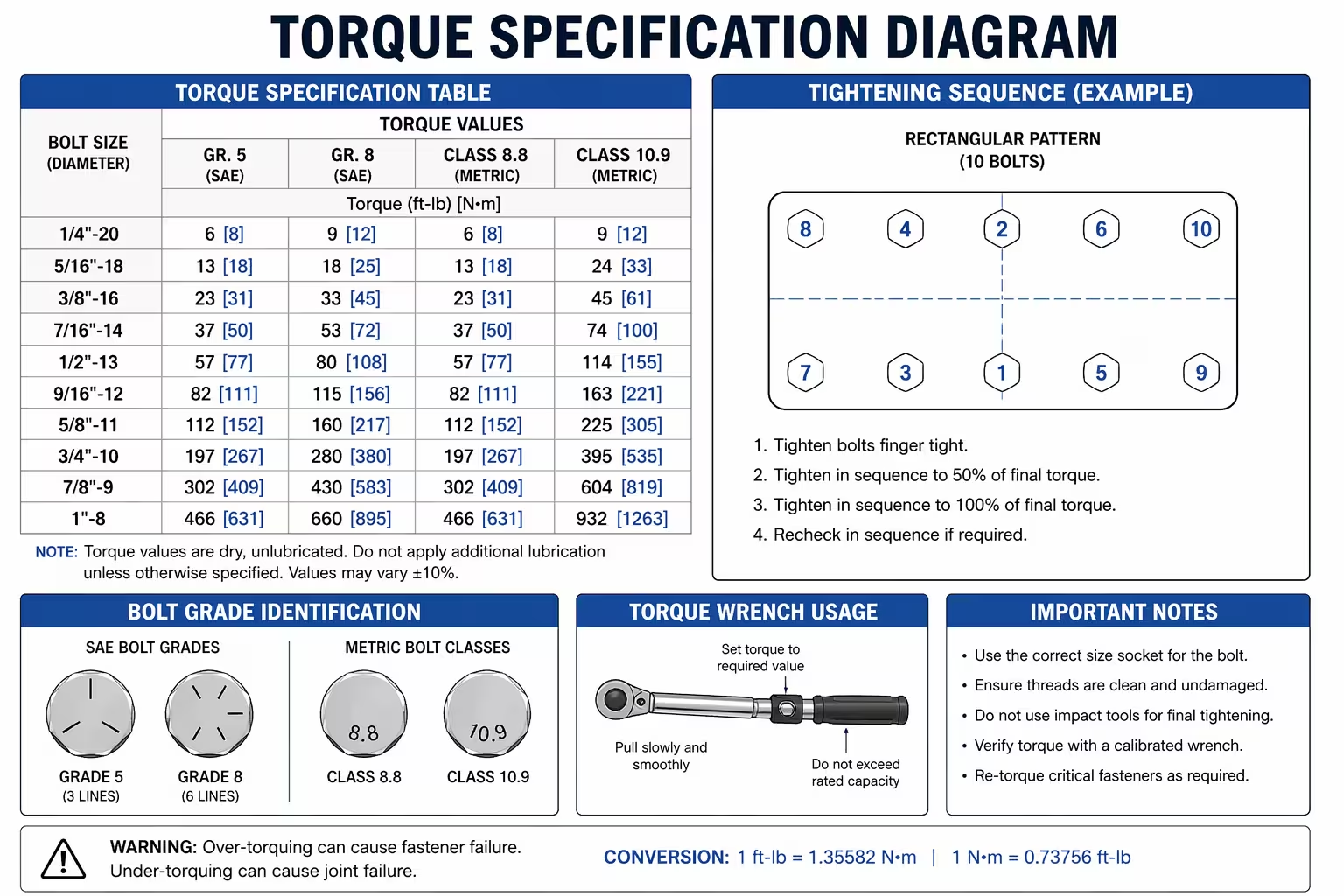
- Risk of incorrect torque
Mechanic
- Safer for most people
- Faster and more reliable
Incorrect installation is one of the top reasons for early failure.
11. Cost Breakdown
| Item | Typical Cost |
|---|---|
| Bearing only | $5 – $20 |
| Hub assembly | $30 – $60 |
| Labor | $5 – $20 |
Cheap parts often lead to higher long-term costs.
12. Real-World Case Studies (What I’ve Seen)
Case 1: Cheap Bearing Failure
A customer used a low-cost bearing. It failed in 6 months due to poor sealing.
Case 2: Heavy Load Vehicle
A van carrying heavy loads wore out bearings twice as fast.
Case 3: Proper Installation
A correctly installed premium bearing lasted over 180,000 km.
13. My Experience
I have worked with wheel bearings for years, and one thing stands out:
Most failures don’t come from design—they come from quality and installation.
I like hub assemblies because they simplify installation. But I’ve also tested cheaper ones that failed quickly due to poor materials.
From what I’ve seen:
- Heat treatment quality matters
- Sealing design matters even more
- Installation torque is critical
14. Buying Guide: How to Choose the Right Bearing
What to Look For:
- Strong sealing system
- Reliable brand or supplier
- Proper fitment
- ABS compatibility
What to Avoid:
- Extremely cheap products
- Unknown brands with no testing
Saving $20 upfront can cost hundreds later.
15. Maintenance Tips to Extend Lifespan
- Avoid deep water exposure
- Don’t overload the vehicle
- Check for noise early
- Install correctly
16. FAQs
How do I know which bearing is bad?
Listen for noise while turning—the louder side is usually the faulty one.
Can I replace just one bearing?
Yes, but many professionals recommend replacing both sides.
Do I need alignment after replacement?
Usually no, unless other suspension parts are affected.
17. Final Thoughts
Wheel bearings and hubs might look simple—but they play a huge role in safety and performance.
If you ignore early signs, the cost and risk increase quickly.
If you choose quality parts and install them correctly, they can last for years.
Learn More About Our Wheel Hub Bearings?
Contact us today to discuss how our bearing technology can benefit your electric vehicle program?
Contact Us