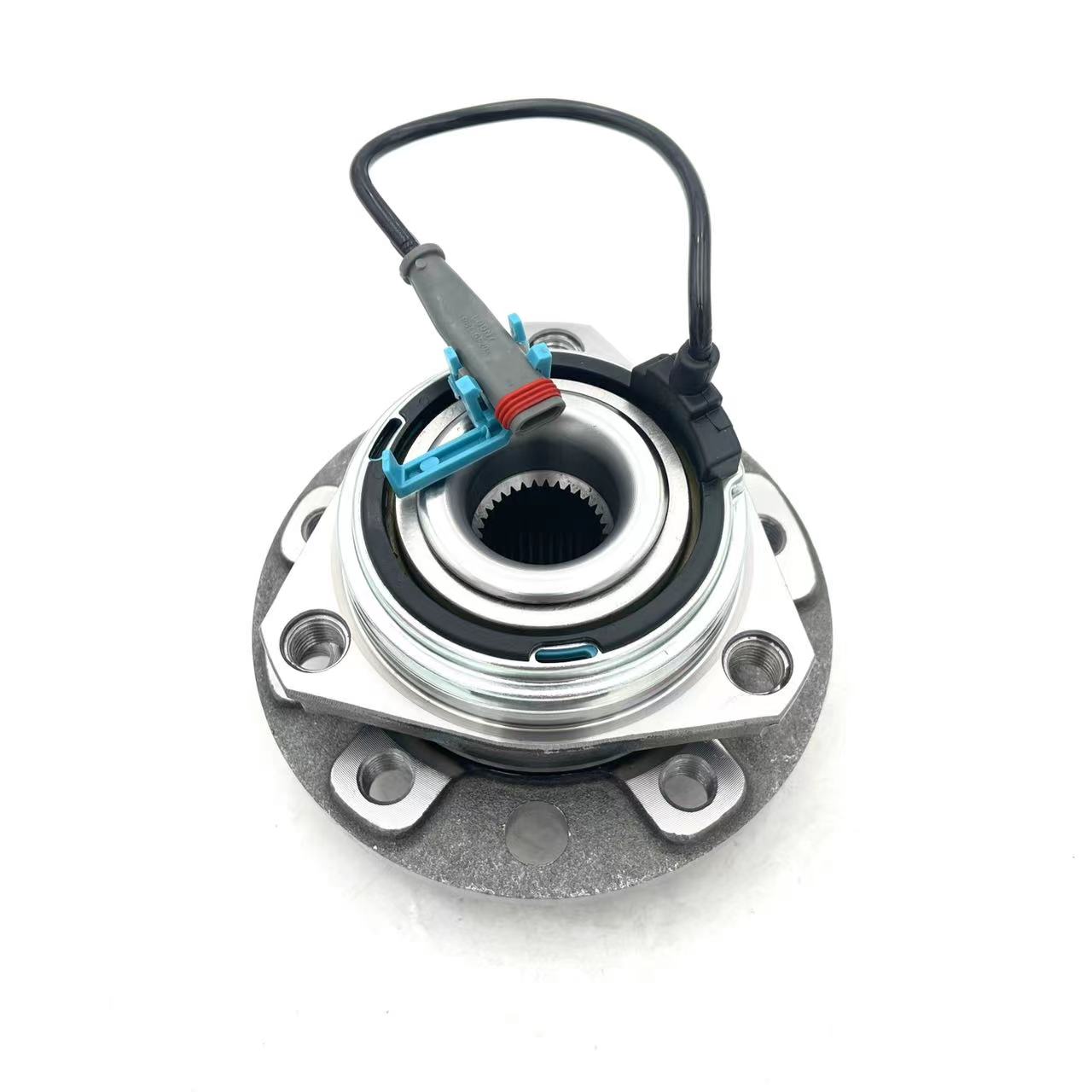
A wheel hub bearing is one of the most critical components in a vehicle’s suspension and wheel assembly. It allows the wheel to rotate smoothly while supporting the weight of the vehicle and maintaining proper alignment.
Although small compared to other automotive components, the hub bearing plays a major role in driving safety, handling stability, and braking performance.
What Is a Wheel Hub Bearing?
A wheel hub bearing is a precision-engineered assembly that connects the wheel to the vehicle. It allows the wheel to rotate with minimal friction while supporting both radial and axial loads.
Modern vehicles often use hub bearing units (HBU) that combine several components into one integrated module.
Typical components include:
- Inner and outer bearing races
- Rolling elements (balls or tapered rollers)
- Seals
- Lubrication grease
- Hub flange
- ABS sensor ring (in many models)
These components work together to ensure smooth wheel rotation and reliable vehicle operation.
Types of Wheel Hub Bearings
There are several types commonly used in modern vehicles.
1. Ball Bearings
Ball bearings are widely used in passenger vehicles. They are designed to handle both radial and axial loads and provide smooth rotation.
Advantages:
- Low friction
- Smooth operation
- Good for high speeds
2. Tapered Roller Bearings
These bearings are commonly used in trucks and heavy-duty vehicles.
Advantages:
- High load capacity
- Better durability under heavy loads
- Excellent stability
3. Hub Bearing Units (HUB Assembly)
Most modern cars use integrated hub assemblies that combine the bearing and hub together.
Advantages include:
- Easy installation
- Reduced maintenance
- Improved durability
- Integrated ABS compatibility
Signs of a Failing Wheel Hub Bearing
A worn or damaged hub bearing can lead to serious safety issues.
Common symptoms include:
1. Unusual Noise
A grinding, humming, or growling sound while driving often indicates bearing wear.
2. Wheel Vibration
Damaged bearings can cause steering wheel vibration or unstable handling.
3. ABS Warning Light
Many hub bearings include ABS sensors. Failure may trigger the ABS warning light.
4. Uneven Tire Wear
Misalignment caused by bearing damage can lead to uneven tire wear.
If these signs appear, the hub bearing should be inspected immediately.
Why High-Quality Hub Bearings Matter
Wheel hub bearings operate under extreme conditions, including:
- High rotational speeds
- Heavy vehicle loads
- Road shocks and vibration
- Temperature fluctuations
Using low-quality bearings can lead to:
- premature failure
- noise problems
- reduced driving safety
- increased maintenance costs
High-quality hub bearings offer:
- longer service life
- smoother rotation
- stronger load capacity
- improved sealing protection
Choosing the Right Hub Bearing Supplier
For distributors and automotive parts retailers, choosing a reliable hub bearing supplier is critical.
Important factors include:
- OEM-level manufacturing standards
- strict quality control
- complete product coverage
- stable supply chain
- technical support
Professional suppliers provide hub bearings compatible with major vehicle brands worldwide.
Wheel hub bearings are essential for vehicle safety, stability, and performance. Understanding their structure and function helps automotive buyers choose the right products and maintain vehicle reliability.
High-quality hub bearings ensure smoother driving, longer service life, and better safety on the road.
Learn More About Our Wheel Hub Bearings?
Contact us today to discuss how our bearing technology can benefit your electric vehicle program?
Contact Us